Give every patient a record that follows them.
A permanent health identity that links mother to infant, antenatal contacts to immunisations, and one facility to the next — retrievable in seconds instead of minutes at a filing cabinet.
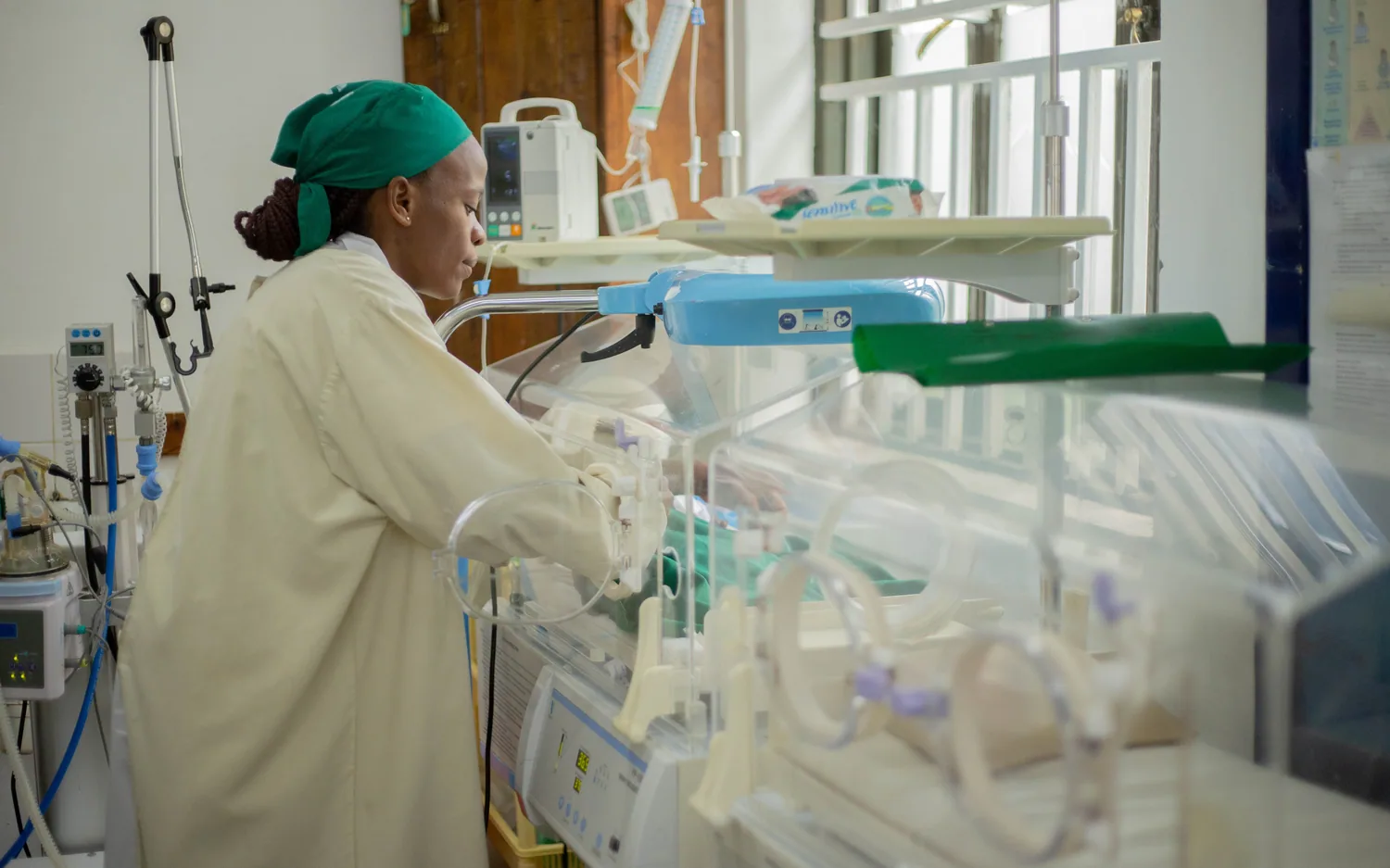
Care built on paper that moves slower than the patient.
The record is in a cabinet, or lost
Paper files go missing, get damaged, or simply cannot be found while a patient waits.
Mother and infant records live apart
Nothing structurally connects a newborn's record to the mother's, so continuity depends on memory and handwriting.
Antenatal contacts go untracked
Missed ANC visits and overdue immunisations are noticed late, if at all.
The next facility starts from nothing
A patient referred onward arrives without history, and the questions begin again.
Start with identity. Everything else hangs off it.
The platform is the same across every sector. These are the parts that matter for you.
What changes between reception and the ward.
- Permanent patient identity with photo and QR
- Mother-and-infant record linkage at birth
- ANC 1–8 antenatal contact tracking
- Immunisation schedules with overdue alerts
- History retrieved in under five seconds at reception
- Structured data for facility reporting
- Controlled access to wards, stores and records rooms
Continuity of care
The record travels with the patient, from rural clinic to referral hospital.
Safer mothers and infants
Linked records and antenatal alerts close the gaps where danger hides.
Minutes saved when they matter
Full history on screen instead of a search through paper.
Cleaner reporting
Complete, structured data instead of transcription from registers.
From survey to the first patient enrolled.
A healthcare deployment starts with a survey of reception, ward and records workflows, then card production, scanner installation and clinical training before the first patients are enrolled.
Finding a patient's antenatal records meant searching a filing cabinet for ten minutes. Now we scan the card and the full history is on screen in seconds.
— Senior Midwife — a Ugandan health facility
Client names withheld for confidentiality.
What healthcare buyers ask us.
Cards are read by Jalani readers and authorised staff devices. A card being scanned by an unauthorised phone does not expose the patient's record.
The identity persists in the system; a replacement card is issued and linked to the same record, so no history is lost.
Yes. Data syncs where connectivity allows, and readers continue operating locally in between.
Access is role-based and every retrieval is logged. The platform is designed to support obligations under Uganda's Data Protection and Privacy Act. Hosting and retention are agreed in each deployment contract.
See it running in your hospitals.
Thirty minutes, on site in Kampala or online. We will bring the cards and readers that fit your setup.